

Institute for Humane Studies at George Mason University
IHS Mission
The Institute for Humane Studies builds and connects bright thinkers who use freedom to solve society’s biggest problems. For 65 years, it has grown a network of over 7,000 professors, policy experts, and civic leaders. Grounded in the liberal tradition, this network produces research that promotes dignity, equality, and constitutional limits.
Core Liberal Principles Imagery
Imagery and visual assets created for the Institute of Human Studies website, designed to support clear communication of the organization’s core educational and research initiatives.
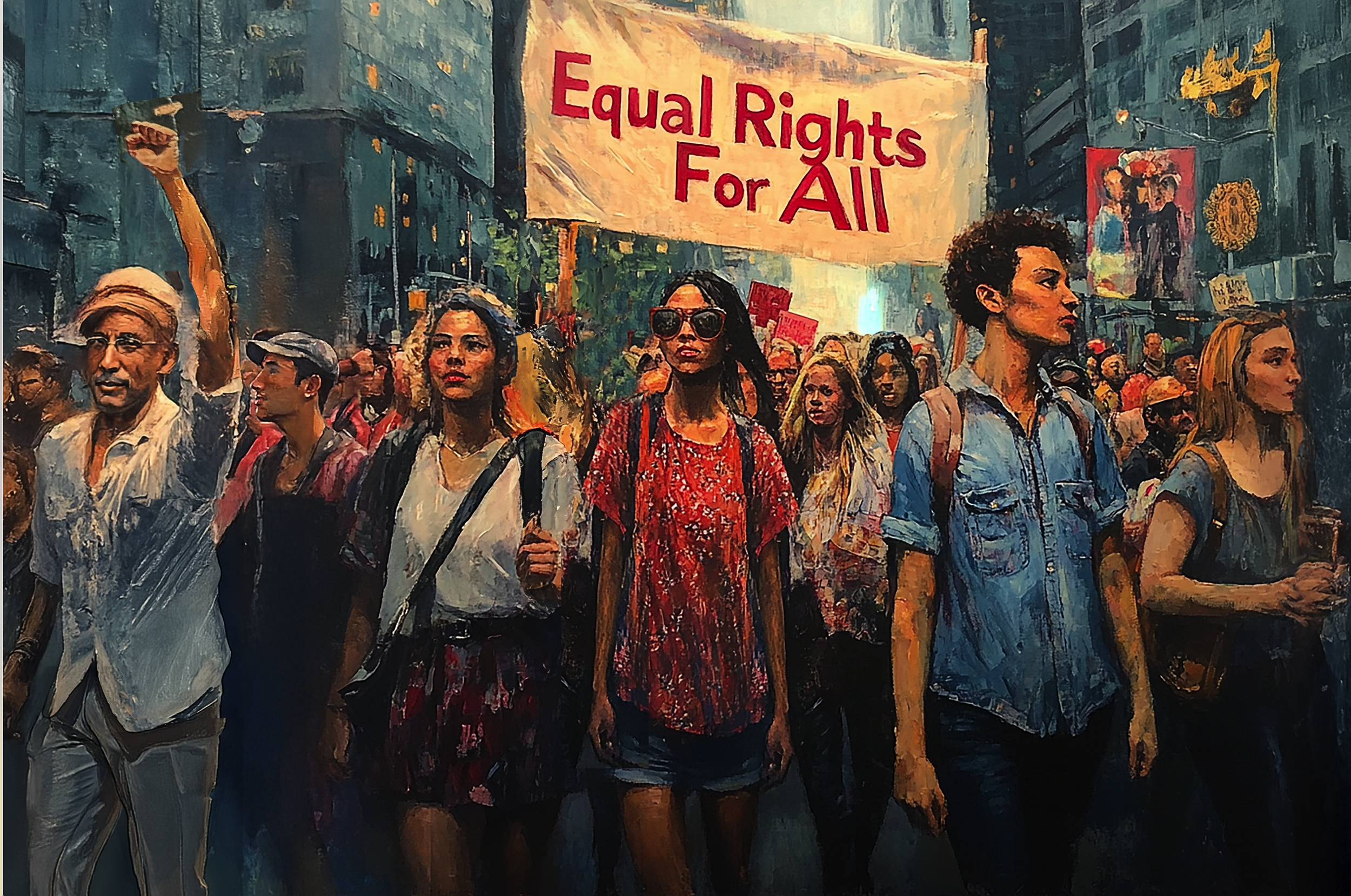
When we say that human dignity is universal, we assert that every individual is deserving of the same fundamental respect and rights as anyone else. It is a leveling principle, rejecting the notion that some groups are naturally superior to others or that any person should be denied their full recognition based on arbitrary distinctions which are irrelevant to our shared humanity. This universality provides the moral compass by which governments, laws, and social norms can be judged. In this sense, the universality of liberalism is profoundly egalitarian.
Human Dignity

Spontaneous orders are dynamic and resilient, adapting to changing circumstances in ways that planned systems often cannot. The result is a form of order that no single individual or governing body could design. Spontaneous orders are dynamic and resilient, adapting to changing circumstances in ways that planned systems often cannot. They represent a form of wisdom embedded in the collective actions and experiences of individuals.
Spontaneous Order

Economic freedom is not just a driver of prosperity—it is a vital safeguard for political freedom. The two are deeply intertwined. Without the ability to control one’s own economic choices, individuals are left vulnerable to political coercion and control. Economic independence provides the foundation for individual autonomy, and without it political rights and civil liberties are hollowed out.
Economic Freedom

The rule of law stands as a pillar of any free society. When laws are arbitrary, unpredictable, or selectively enforced, trust in institutions erodes. Citizens come to see the state not as a protector of rights, but as a tool for the powerful to oppress or manipulate. This erosion of trust destabilizes society, increasing the likelihood of conflict. The rule of law, by contrast, establishes clear expectations and provides a measure of security that promotes both personal liberty and social harmony.